How Long Does a Well-Maintained Heater Last?
When it comes to home comfort, your heater plays a crucial role during cold months. Many homeowners wonder, how long does a well-maintained heater last? Understanding your heater's lifespan and how to extend it can save you money, prevent unexpected breakdowns, and ensure reliable warmth for years. At Hutchinson Heating and Air Conditioning, we help homeowners in Murrieta and Temecula get the most out of their heating systems through proper maintenance and expert care.
Average Heater Life Expectancy
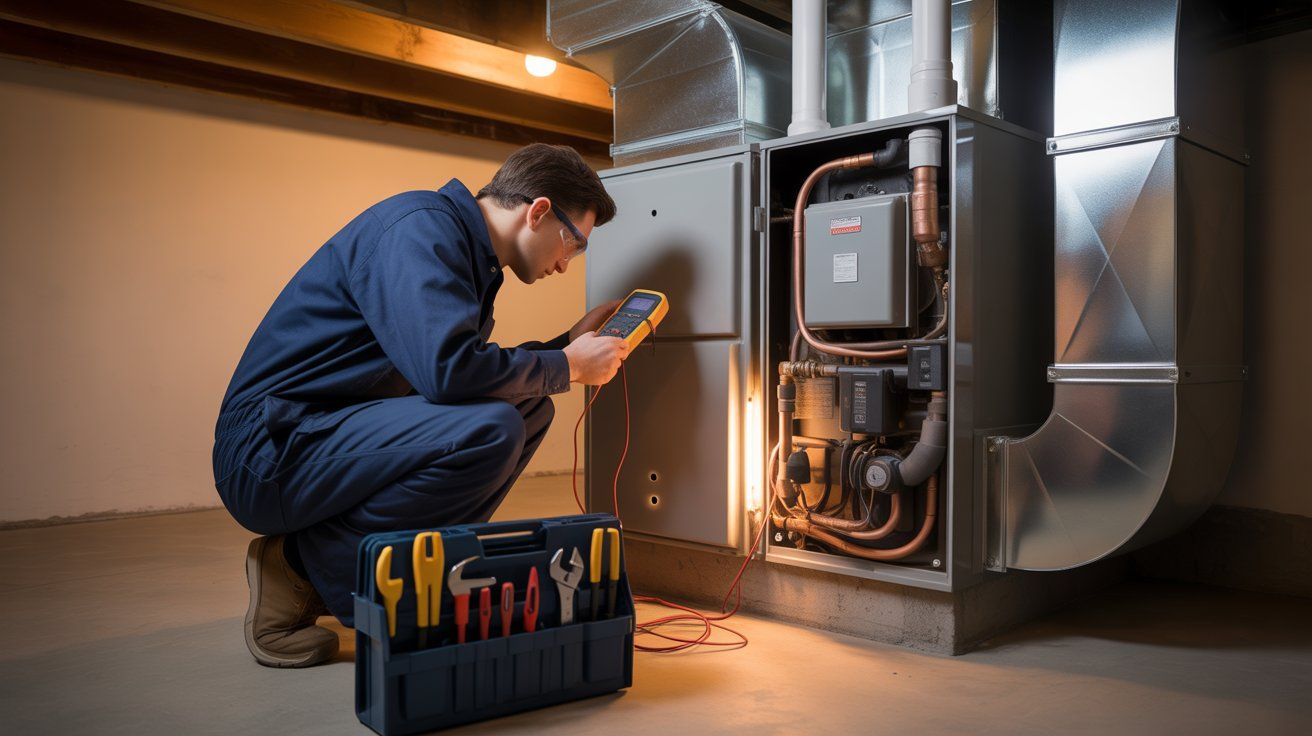
The heater life expectancy depends on several factors, including the type of heating system, usage, and maintenance habits. Most well-maintained furnaces and heaters last between 15 and 20 years. Gas furnaces tend to have a slightly shorter lifespan, averaging 15–18 years, while electric heaters and heat pumps can last up to 20 years when properly cared for.Factors that affect lifespan include:
- Frequency of use: Daily use shortens the life compared to occasional use.
- Fuel type: Gas, electric, and oil systems have different durability.
- Quality of installation: A professionally installed system often lasts longer.
- Maintenance schedule: Regular inspections and cleaning significantly improve longevity.
A heater that is neglected or rarely serviced may fail well before its expected lifespan, leading to costly repairs or early replacement.
Signs Your Heater is Aging
Even with proper care, heaters eventually show signs of aging. Watch for these common indicators:
- Uneven heating: Some rooms may feel colder than others.
- Strange noises: Rattling, banging, or squealing sounds suggest wear.
- Higher energy bills: An older heater often uses more energy to maintain warmth.
- Frequent repairs: If you call a technician regularly, your heater may be nearing the end of its life.
- Yellow or flickering flame (for gas heaters): This indicates combustion issues.
Recognizing these signs early allows you to plan for replacement or major repairs without facing sudden heating loss.
How to Extend Heater Lifespan
Proper heater maintenance longevity is achievable with routine care and attention. Here are proven strategies to extend your heater’s life:
1. Schedule Regular Maintenance
Annual professional inspections and tune-ups help identify potential problems before they escalate. A qualified technician from Hutchinson Heating and Air Conditioning can check gas lines, electrical components, and overall system efficiency. Internal components that are worn or dirty can be fixed during maintenance to prolong heater life.
2. Replace Filters Regularly
Dirty or clogged filters restrict airflow, forcing your heater to work harder and shortening its lifespan. Replace filters every 1–3 months depending on usage and filter type.
3. Keep Vents and Ducts Clean
Obstructed vents and dirty ducts reduce efficiency, making your heater work overtime. Clean ducts and ensure vents are unobstructed to maintain proper airflow and system longevity.
4. Install a Programmable Thermostat
A programmable thermostat helps regulate temperature efficiently, reducing unnecessary strain on your heater. Avoid setting extreme temperatures that force your system to overwork.
5. Monitor for Small Issues
Strange noises, uneven heating, or fluctuating thermostat readings may seem minor but can indicate bigger problems. Addressing them promptly prevents long-term damage.
Common Heater Types and Their Lifespans
Different heater types have varying lifespans. Understanding each system can help homeowners make informed decisions:
Gas Furnaces
- Average lifespan: 15–18 years
- Pros: Quick heating, reliable in cold climates
- Cons: Requires regular inspections for safety and efficiency
Electric Heaters
- Average lifespan: 20 years
- Pros: Energy-efficient, lower maintenance than gas
- Cons: Heating costs may be higher depending on electricity rates
Heat Pumps
- Average lifespan: 15–20 years
- Pros: Can heat and cool, energy-efficient in mild climates
- Cons: Efficiency decreases in very cold temperatures
By choosing the right system and maintaining it properly, homeowners can maximize the lifespan of their heating investment.
Benefits of Regular Heater Maintenance
Regular maintenance goes beyond simply extending lifespan. It also provides:
- Improved efficiency: Well-maintained heaters consume less energy.
- Lower repair costs: Preventive care reduces emergency repairs.
- Better air quality: Clean filters and ducts reduce dust and allergens.
- Consistent warmth: Avoid cold spots and unreliable performance.
For homeowners in Murrieta and Temecula, our heater maintenance Temecula CA services ensure that systems stay efficient, safe, and long-lasting.
When to Consider Replacement
Even the best-maintained heaters eventually reach the end of their life. Consider replacement if:
- Your heater is older than 15–20 years
- Repairs are frequent and costly
- Energy bills continue to rise despite maintenance
- System struggles to heat your home efficiently
Replacing an aging heater with a modern, energy-efficient system can save money in the long run while providing consistent comfort.
Furnace Lifespan Tips
To maximize your heater’s life, follow these furnace lifespan tips:
- Schedule annual professional checkups
- Replace filters regularly
- Keep vents and ducts clean
- Monitor system performance for unusual signs
- Upgrade outdated components when possible
By following these simple steps, you can extend heater life, reduce repair costs, and maintain a warm, comfortable home.
Final Thought
Knowing how long a well-maintained heater lasts helps homeowners plan for repairs or replacement and ensures consistent home comfort. With proper care, many heaters can reliably serve for 15–20 years. Trust Hutchinson Heating and Air Conditioning to provide professional maintenance, expert guidance, and solutions tailored to your home. If you want to extend the life of your heating system and prevent costly breakdowns, contact us today for expert heater maintenance Temecula CA services.
FAQs
1. How often should I schedule heater maintenance?
Ideally, once a year, before the heating season begins. Annual maintenance helps catch small issues early.
2. Does regular maintenance really extend heater life?
Yes. Routine care reduces wear and tear, improves efficiency, and prolongs system lifespan.
3. Can I replace heater filters myself?
Yes, most filters are easy to replace. Check the manufacturer’s instructions and replace every 1–3 months.
4. How do I know if my heater is near the end of its lifespan?
Frequent repairs, uneven heating, and rising energy bills are common signs that replacement may be needed.
5. Is it worth upgrading an old heater?
Upgrading to a modern, energy-efficient system often reduces energy costs, improves comfort, and saves money on repairs over time.